


Things to Do in Sejong, South Korea: 6 Best Places for a Day Trip
TRAVEL BEYOND SEOUL
Discover a Different Side of Korea in Sejong
Planning a day trip beyond Seoul? Sejong offers a distinctive look at contemporary South Korea through innovative architecture, expansive gardens, lakeside paths and modern cultural landmarks. This guide introduces six of the best things to do in Sejong, along with practical tips for getting there and planning your visit.
Why Visit Sejong, South Korea?
Sejong is best known as South Korea’s modern administrative city, but that is only part of its story. Beyond the government district, visitors will find striking public architecture, landscaped green spaces, cultural landmarks and outdoor trails.
The city offers a quieter contrast to Seoul while providing an opportunity to see how urban design, nature and public space come together in contemporary Korea. Many of its major attractions are concentrated around the government complex, Sejong Lake Park and the National Sejong Arboretum.
Sejong is especially rewarding for travelers interested in architecture, gardens, light outdoor activities and destinations that reveal a less familiar side of South Korea.
ARCHITECTURE ABOVE THE CITY
1. Government Complex Sejong Rooftop Garden
The Government Complex Sejong is one of the city’s defining architectural sights. Instead of separating its buildings into isolated towers, the complex connects them through a long, flowing structure topped by an expansive rooftop garden.
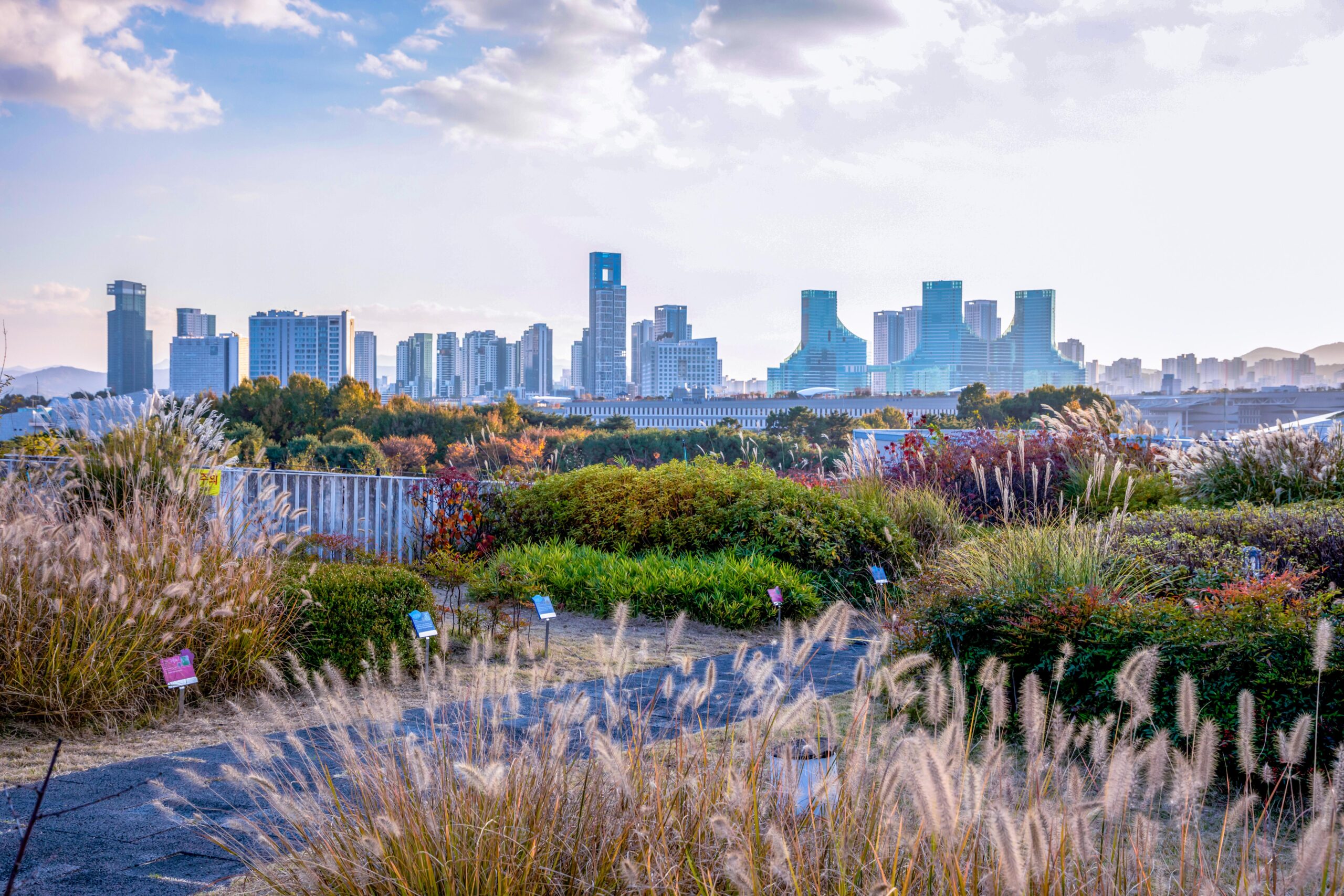

Best for: Modern architecture, urban design and elevated city views.
Stretching approximately 3.6 kilometers across the connected complex, the garden combines seasonal plants, themed paths and views over the government district. It offers an unusual perspective on Sejong’s approach to integrating architecture and green space.
Before you go: The rooftop garden is not an unrestricted walk-in attraction. Public visits operate on scheduled dates, and advance registration and photo identification are required. Check the official visiting and reservation information before planning your route.
KOREA’S MODERN HISTORY
2. Presidential Archives
With its distinctive glass exterior, the Presidential Archives is both an architectural landmark and a place to learn about Korea’s modern political history through presidential records, objects and exhibitions.
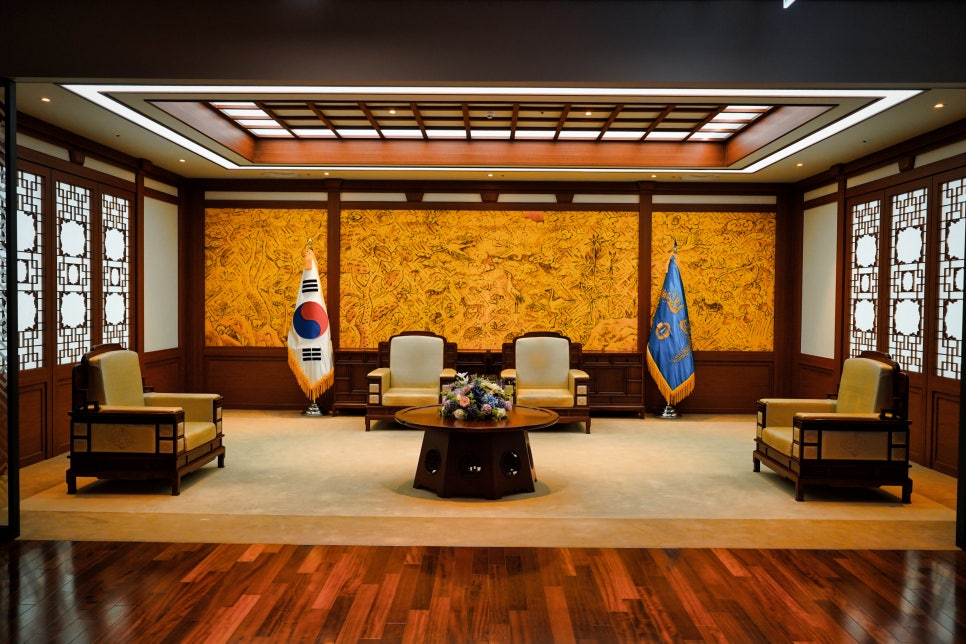
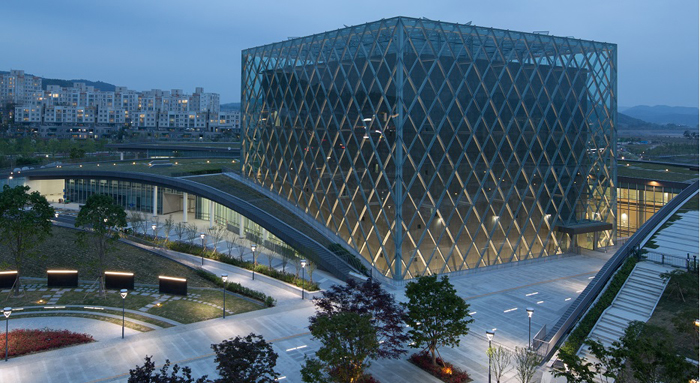
Best for: Modern Korean history, exhibitions and contemporary architecture.
The exhibitions introduce Korea’s presidential system, presidential records and gifts received from international dignitaries. Even without a specialist interest in politics, visitors can gain useful context for understanding the country’s recent history.
The archives are located near Sejong Lake Park, making it convenient to combine an indoor cultural visit with a walk by the water.
Before you go: The exhibition facility generally closes on Mondays and designated holidays. Check current visitor information before your trip.
A GARDEN FOR EVERY SEASON
3. National Sejong Arboretum
The National Sejong Arboretum brings an impressive variety of plant life into the center of the city. Designed as Korea’s first urban national arboretum, it combines spacious outdoor gardens with exhibition and educational areas.
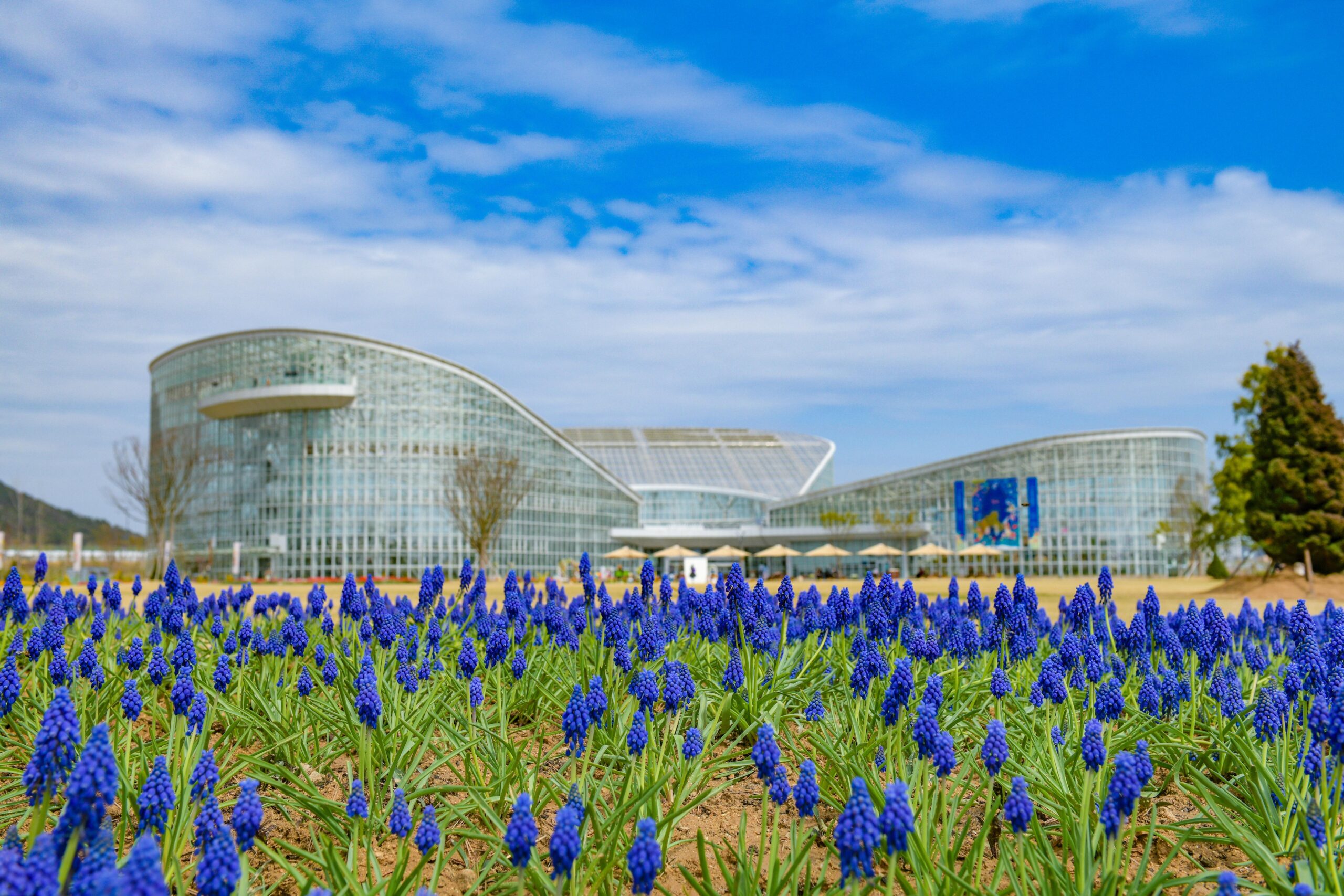
Best for: Families, garden lovers and an easy nature experience within the city.
A major highlight is the Four Seasons Exhibition Greenhouse, where visitors can move through plant environments inspired by different climate zones. The arboretum also provides a refreshing change of pace after exploring Sejong’s government and cultural districts.
Before you go: Admission and operating hours may vary by season, and the arboretum is generally closed on Mondays. Check the latest visitor information.
SLOW DOWN BY THE WATER
4. Sejong Lake Park
Sejong Lake Park is one of the best places to experience the city at a slower pace. Its open water, landscaped paths and spacious lawns create an easy transition between Sejong’s cultural landmarks and its everyday outdoor life.
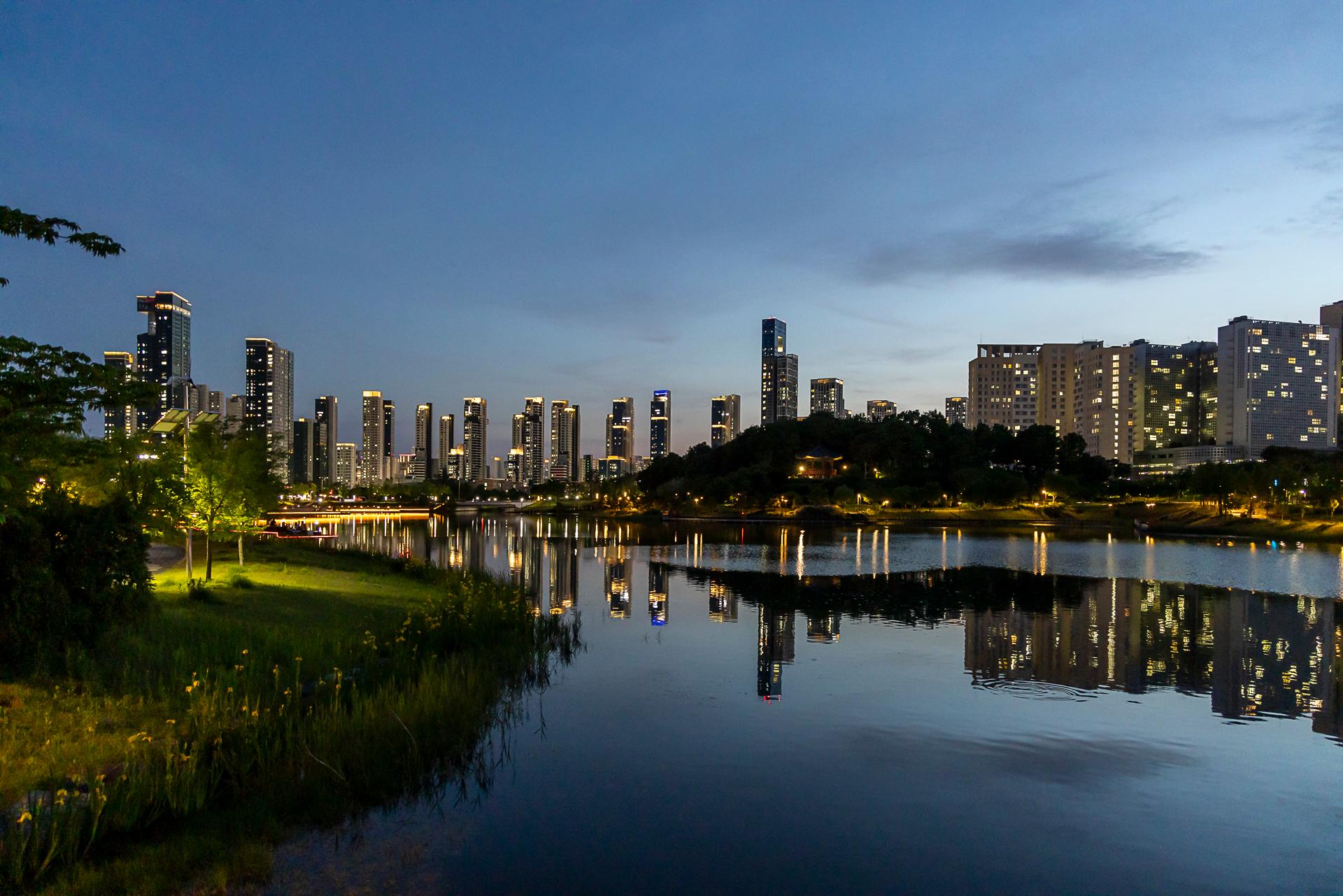
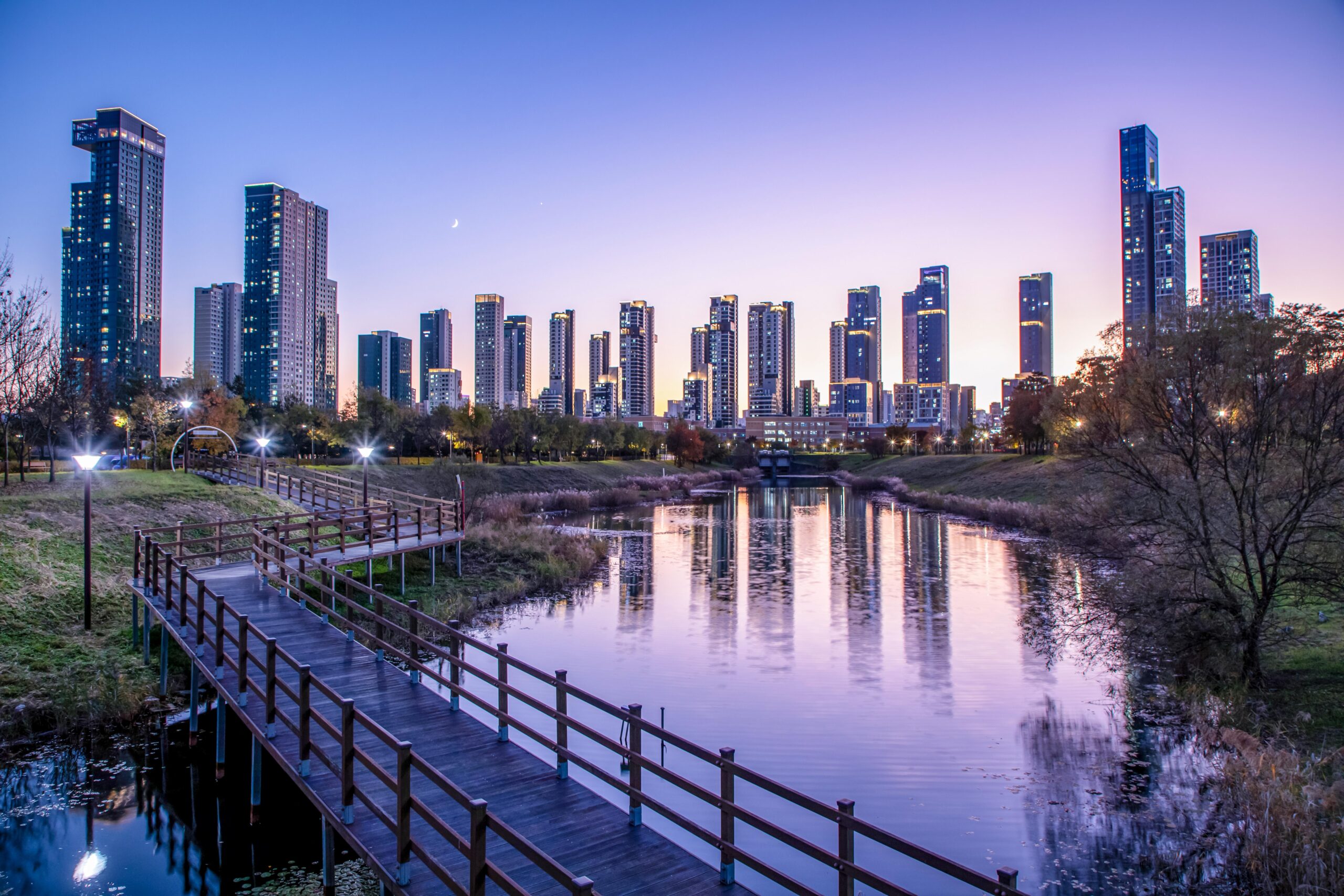
Best for: Walking, cycling, picnics and relaxed views of modern Sejong.
A walk around the lake reveals much of what makes Sejong distinctive: generous public space, contemporary architecture and nature integrated into the city. Its location also makes the park easy to combine with the Presidential Archives and nearby cultural attractions.
Travel tip: The park is an outdoor attraction, so seasonal weather can strongly affect the experience. Bring suitable sun, rain or cold-weather protection depending on when you visit.
A MODERN LANDMARK
5. Geumgang Pedestrian Bridge (Ieung Bridge)
The Geumgang Pedestrian Bridge is one of Sejong’s most recognizable modern landmarks. Also known as Ieung Bridge because of its circular shape, it offers a distinctive way to enjoy the Geumgang River and the city’s contemporary design.
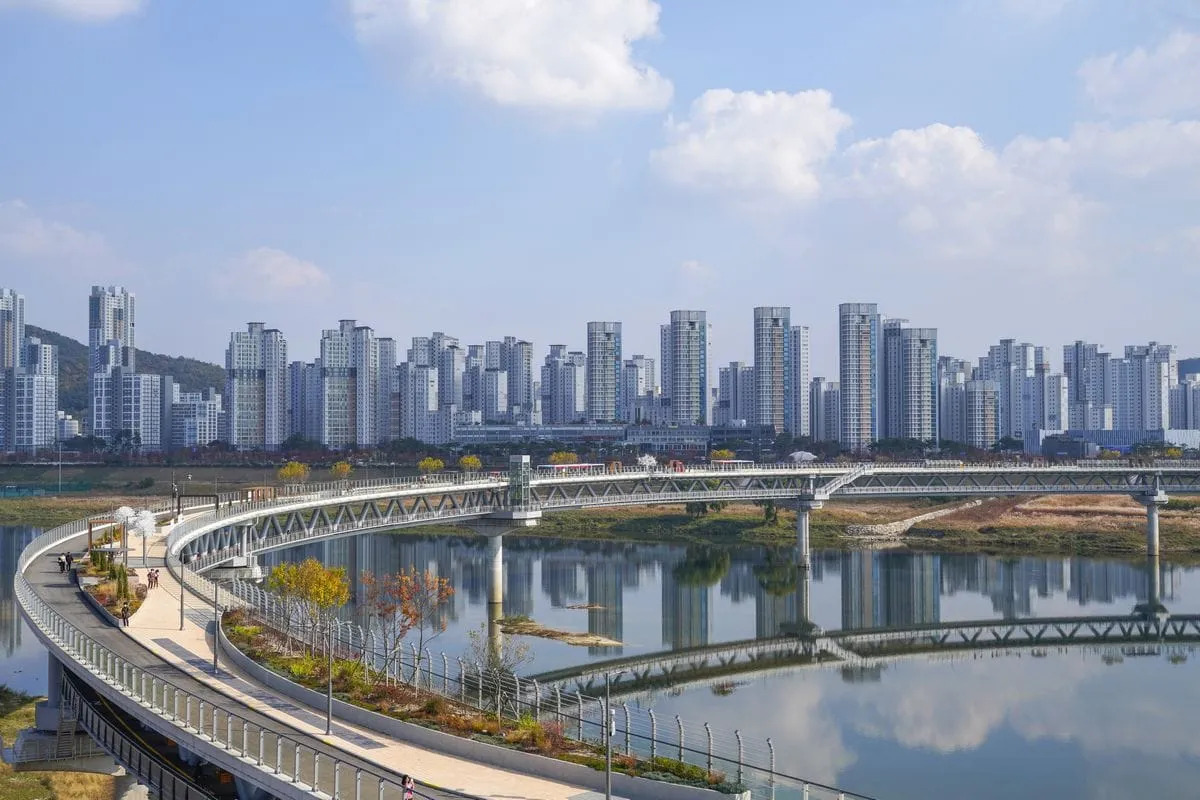
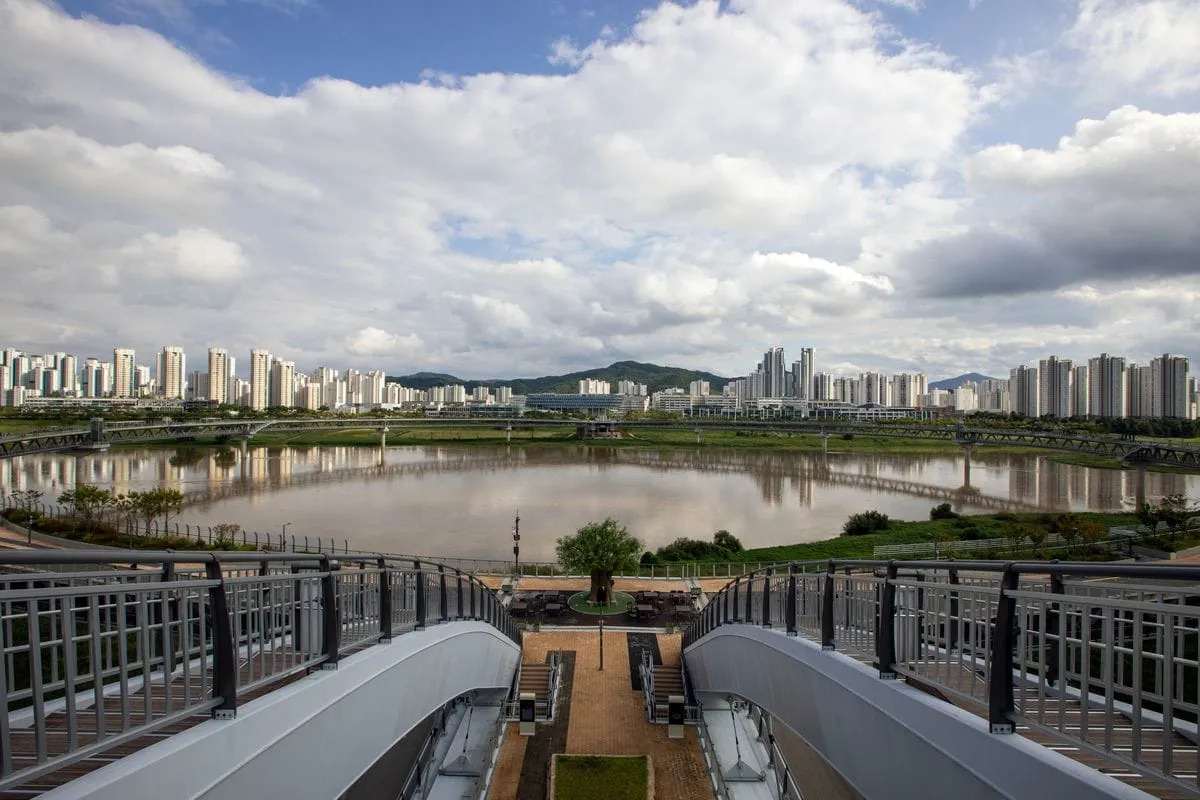
Best for: Riverside scenery, walking, cycling and modern landmark photography.
The bridge has separate levels for walking and cycling: pedestrians can enjoy the upper level, while bicycles use the lower route. Its unusual structure and river views make it a memorable addition to a Sejong day trip.
Before you go: Check the current bridge visitor information, particularly when severe weather may affect outdoor access.
FOREST TRAILS AND CITY VIEWS
6. Jeonwolsan Mountain
Sejong’s green spaces extend beyond its urban gardens and lakefront. Jeonwolsan offers a more active side of the city, with forested walking and trekking routes that contrast with Sejong’s government buildings and modern landmarks.
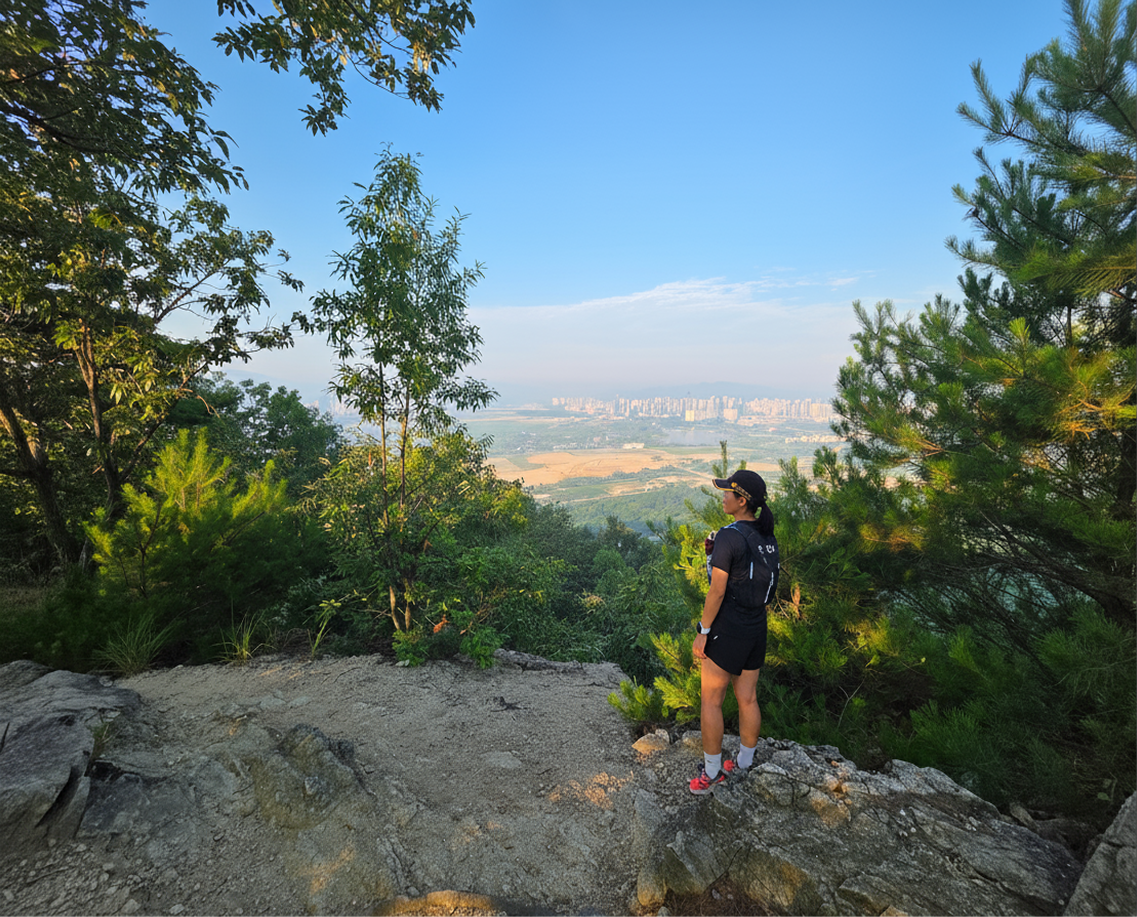
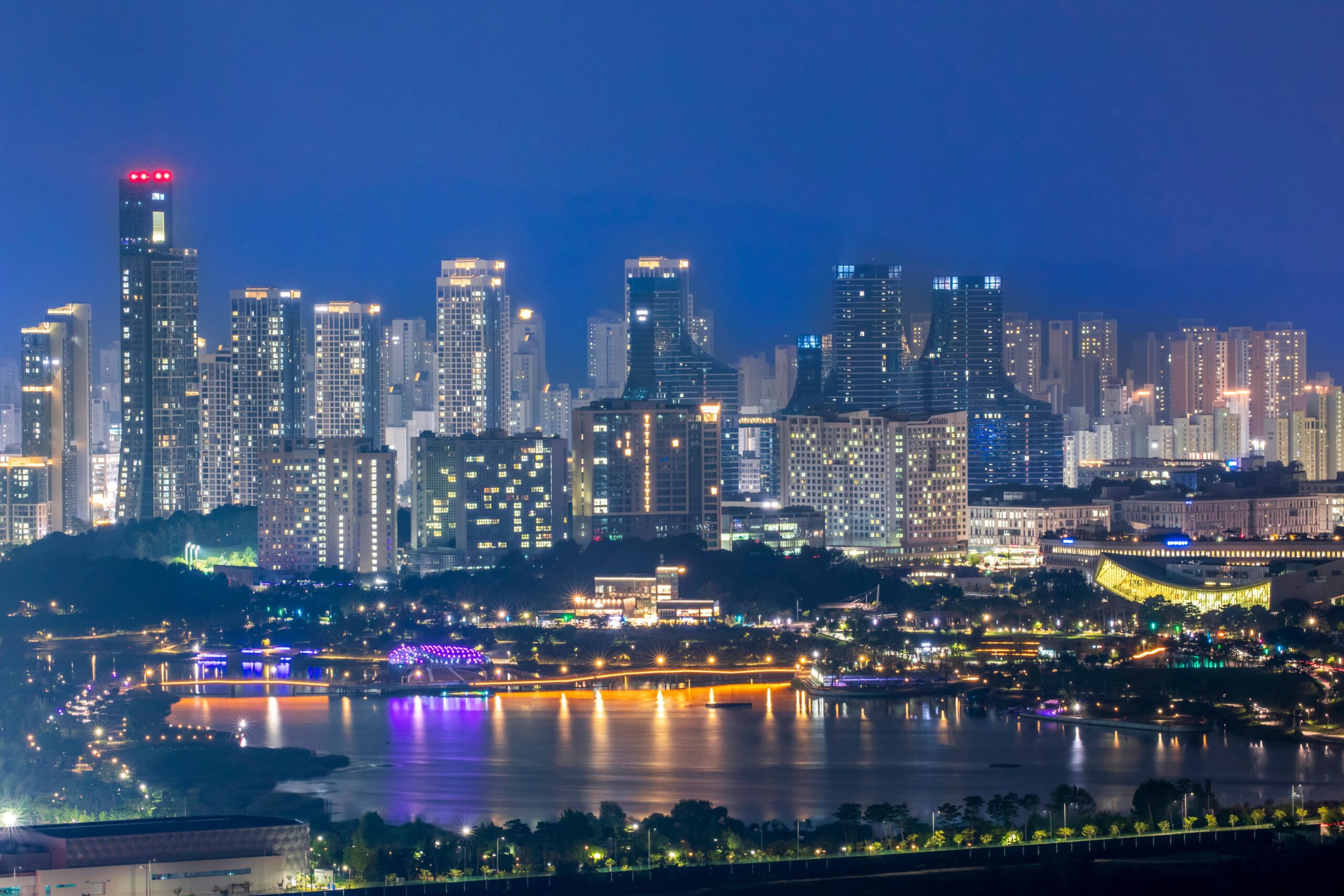
Best for: Travelers who want to combine sightseeing with forest walking and panoramic views.
An outdoor-focused itinerary can combine the mountain’s trails with river scenery and Ieung Bridge. Choose a route suited to your fitness level, wear appropriate footwear and check the weather before setting out.
GO BEYOND THE CITY
Have More Time? Explore the Baekje Heritage of Gongju
While Sejong offers a window into contemporary Korea, nearby Gongju presents a very different perspective. Once a capital of the ancient Baekje kingdom, Gongju is known for heritage sites including Gongsanseong Fortress and its royal tombs.
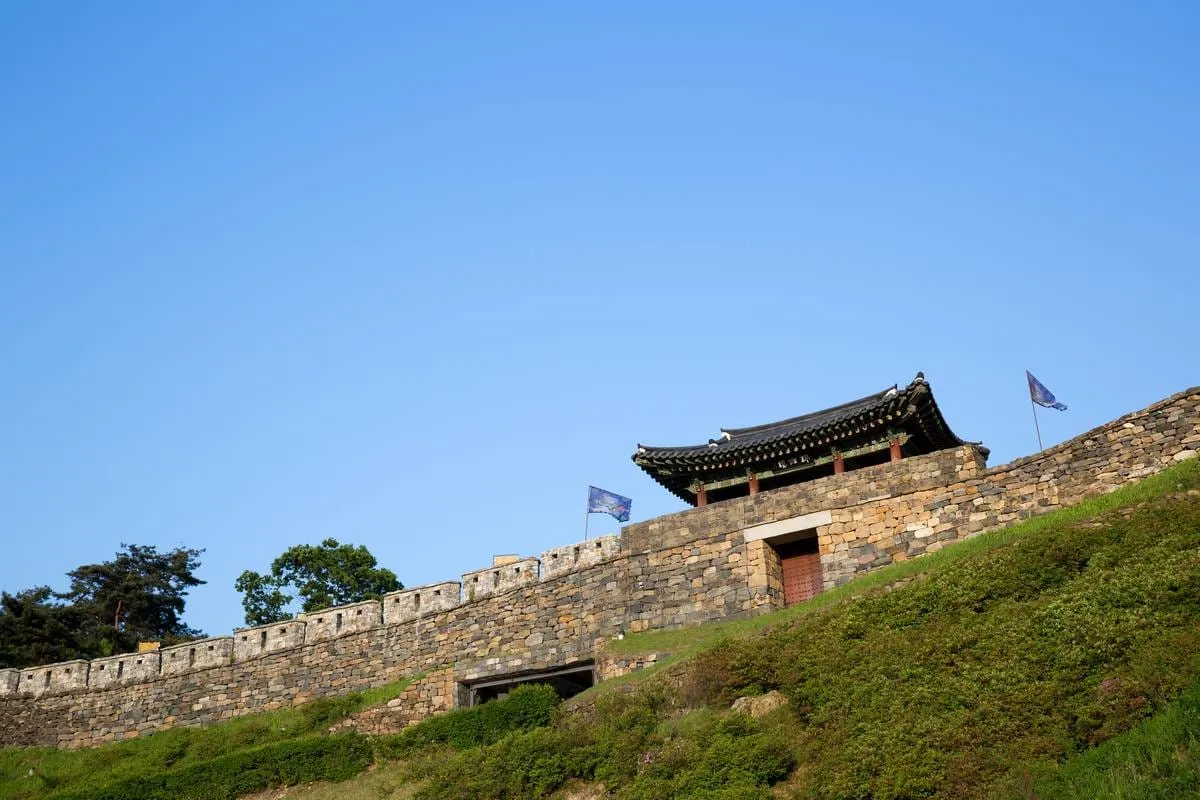
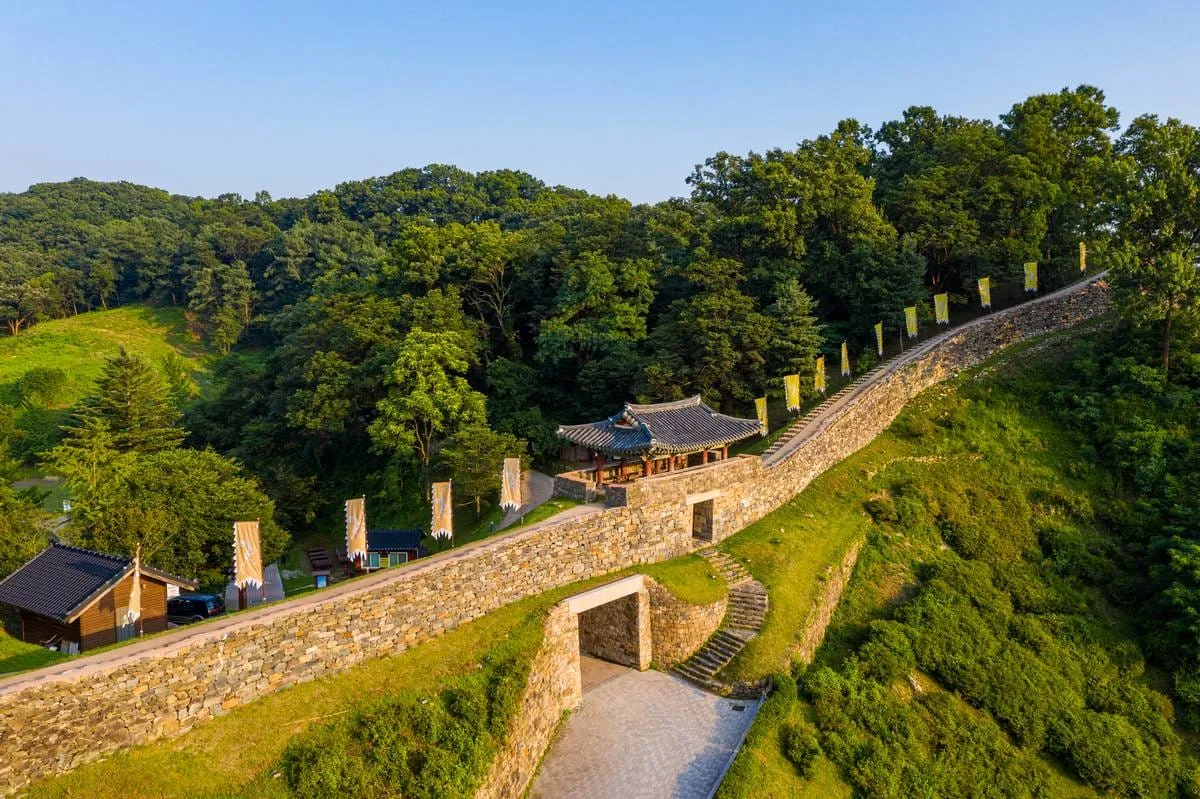
If you have more than one day, combining Gongju and Sejong creates an interesting journey between Korea’s ancient history and modern development.
PLANNING YOUR DAY
Suggested One-Day Sejong Itinerary
Morning: Begin around the Government Complex with a reserved rooftop garden visit or the Presidential Archives.
Midday: Walk around Sejong Lake Park and take a break near the waterfront.
Afternoon: Visit the National Sejong Arboretum or choose Jeonwolsan if you prefer a more active outdoor experience.
Late afternoon: Finish at Ieung Bridge for river views and a final look at Sejong’s modern cityscape.
This is a suggested route only. Adjust the order according to reservations, seasonal opening hours, weather and your preferred pace.
How to Get to Sejong from Seoul
A practical option for independent travelers is to take a KTX train to Osong Station and continue into Sejong by Bus Rapid Transit. Routes including B1 and B2 connect Osong with the Government Complex area, but travelers should check current train and bus schedules before departure.
Because Sejong’s attractions are spread across different parts of the city and some require advance arrangements, decide which places matter most to you before setting out. A shorter, well-planned route is usually more enjoyable than trying to cover every attraction in one day.
PLAN YOUR VISIT
How Much Time Do You Need in Sejong?
Half a day: Focus on one area, such as the government district, rooftop garden when visits are available, Presidential Archives or lakeside attractions.
A full day: Combine a cultural or architectural landmark with Sejong Lake Park and either the arboretum, Ieung Bridge or an outdoor trail.
Two days: Explore Sejong at a more relaxed pace and add the historic city of Gongju for a broader view of the region.
AN EASIER WAY TO EXPLORE SEJONG
If you would rather focus on the experience than arrange every transfer and stop yourself, KoreaTravelEasy offers several Sejong itineraries designed around different interests, activity levels and trip lengths.
Compare the routes and travel styles in the Sejong tour collection.
SEJONG TRAVEL FAQ
Frequently Asked Questions
Is Sejong worth visiting?
Yes, especially for travelers interested in modern architecture, urban planning, gardens and relaxed outdoor spaces. Sejong offers a different experience from Korea’s better-known historic and shopping destinations.
Can you visit Sejong as a day trip from Seoul?
Yes. Travelers can reach Osong Station from Seoul by KTX and continue to Sejong by BRT. Because local attractions are spread out, plan a focused itinerary and check transport schedules in advance.
What is Sejong best known for?
Sejong is best known as South Korea’s administrative city. For travelers, it also stands out for contemporary public architecture, the Government Complex rooftop garden, the National Sejong Arboretum, Sejong Lake Park and Ieung Bridge.
When is the best time to visit Sejong?
Spring and autumn are particularly comfortable for gardens, lake walks and outdoor trails. Summer and winter visits are also possible, but weather conditions should be considered when planning outdoor activities.